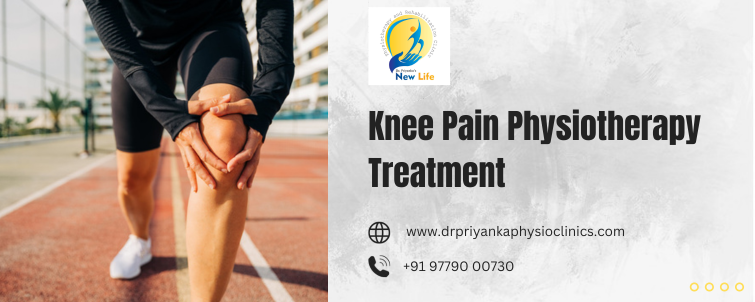
Knee Pain Physiotherapy Treatment
Knee Pain Physiotherapy Treatment : Dr. Priyanka Arora
Knee pain is a common issue that affects people of all ages, often impacting daily activities and mobility. For many, physiotherapy offers a safe, effective way to reduce pain, improve strength, and restore function in the knee. By targeting the underlying causes of knee pain, physiotherapy helps individuals regain mobility and enhance their quality of life without invasive treatments. In this article, we’ll explore various knee pain physiotherapy treatment methods, exercises, and recovery tips to help you achieve lasting relief and mobility.
Understanding Knee Pain and Physiotherapy Treatment
Knee pain can arise from various factors, such as injuries, arthritis, or overuse. Physiotherapy treatment for knee pain addresses the root causes of discomfort through targeted exercises and therapeutic interventions. Physiotherapists assess individual needs to create personalized treatment plans, which may include strengthening exercises, stretching, and manual therapies. These interventions not only relieve pain but also improve the knee’s flexibility and stability, reducing the risk of future injuries.
Benefits of Physiotherapy for Knee Pain Relief
The advantages of physiotherapy for knee pain relief are vast. Here are some of the primary benefits:
- Non-invasive treatment: Avoids surgery and medication.
- Improved flexibility and mobility: Helps restore full range of motion.
- Strengthened muscles: Reinforces the muscles supporting the knee joint.
- Pain reduction: Reduces pain and inflammation with targeted techniques.
- Enhanced function: Improves the overall performance of the knee joint.
Top Exercises for Knee Pain Physiotherapy Treatment
Effective knee pain physiotherapy treatment relies on exercises designed to increase strength, flexibility, and stability. Here are some common exercises recommended by physiotherapists:
1. Straight Leg Raises
Straight leg raises help strengthen the quadriceps, which support knee function. Lie flat on your back with one leg bent and the other straight. Slowly lift the straight leg to about 12 inches, hold, and then lower it slowly.
2. Hamstring Curls
Hamstring curls strengthen the back of the leg, balancing knee support. Lie on your stomach, lift one foot toward your glutes, hold, and lower. You can increase resistance with ankle weights as you progress.
3. Wall Squats
Wall squats work to strengthen both quadriceps and gluteal muscles, supporting knee stability. Stand with your back against a wall and lower yourself as if sitting in a chair. Hold for 5-10 seconds, then slowly stand back up.
4. Calf Raises
Calf raises strengthen the lower leg muscles, contributing to knee stability. Stand with feet shoulder-width apart, rise onto your toes, and slowly lower back down. This can also help improve balance and ankle stability.
5. Step-Ups
Using a low step or platform, step up with one leg, bringing the other leg up, and then step back down. This strengthens the muscles supporting the knee, improving balance and coordination.
Manual Therapy Techniques in Knee Pain Physiotherapy
In addition to exercises, physiotherapists use manual therapy techniques to reduce knee pain and improve joint mobility. Common methods include:
- Soft tissue mobilization: Reduces muscle tension and relieves pain by targeting tight or overactive muscles.
- Joint mobilization: Restores joint movement and reduces stiffness.
- Massage therapy: Improves circulation and eases muscle soreness.
- Ultrasound therapy: Uses sound waves to relieve pain and inflammation deep in the tissues.
- Taping techniques: Supports the knee during activities, helping to prevent pain and injury.
These hands-on treatments complement exercise therapy, making knee pain physiotherapy more comprehensive and effective.
Tips for Maximizing Knee Pain Physiotherapy Treatment Results
To get the best outcomes from knee pain physiotherapy treatment, follow these tips:
- Stay consistent: Regular practice of prescribed exercises is essential for progress.
- Listen to your body: Stop any activity if you feel sharp pain and communicate with your physiotherapist.
- Maintain proper posture: Poor posture can add strain to the knee joint. Proper posture, especially while exercising, ensures correct muscle engagement.
- Combine with a healthy lifestyle: Maintaining a balanced diet and regular exercise routine can support the strength and flexibility of the knee.
- Apply ice as needed: Use ice on the knee after exercises if you experience mild soreness or swelling.
Frequently Asked Questions
- Q: What is the best treatment for knee pain?
A: Knee pain physiotherapy treatment is one of the most effective non-surgical options for managing knee pain, especially when combined with strengthening exercises, manual therapies, and lifestyle changes. - Q: How long does it take to recover from knee pain with physiotherapy?
A: Recovery time varies based on the severity of the condition and individual commitment to the therapy plan. Some individuals may see improvement within weeks, while others may require a few months. - Q: Is physiotherapy effective for arthritis-related knee pain?
A: Yes, physiotherapy is highly effective for arthritis-related knee pain, helping to reduce pain, improve mobility, and increase strength around the joint. - Q: Can I do knee exercises at home?
A: Absolutely. Many knee exercises can be done at home as part of a home exercise program designed by a physiotherapist. However, follow guidance carefully to avoid any improper movements. - Q: When should I consider seeing a Knee Pain Physiotherapy Treatment?
A: If knee pain persists for more than a few weeks or limits your daily activities, consulting a physiotherapist is recommended. Early intervention can prevent the pain from worsening. - Q: How can I prevent knee pain from recurring?
A: Prevent recurrence by regularly performing knee-strengthening exercises, maintaining a healthy weight, practicing good posture, and avoiding overuse of the knee joint.
Conclusion: Knee Pain Physiotherapy Treatment
Knee Pain Physiotherapy Treatment is an effective and sustainable approach for managing and reducing knee discomfort. Whether due to injury, arthritis, or overuse, physiotherapy provides a structured plan to improve knee function, strength, and flexibility. By incorporating a combination of exercises, manual therapy, and lifestyle adjustments, physiotherapy helps patients achieve lasting relief and regain an active lifestyle. Start your journey toward knee pain recovery with the help of a trained physiotherapist, and experience the benefits of a tailored, non-invasive treatment plan.
Contact Information
Get in Touch with the Knee Pain Physiotherapy Treatment – Dr. Priyanka Arora at Following contact Details:
- Name: Dr. Priyanka Arora
- Address: New life Physiotherapy Sco- 10-11, Inside Apollo Clinic, Sector-8c Chandigarh
- Address: House no 2125, New life physiotherapy clinic, inside Arv Orthopaedic Hospital, Sector 21C, Sector 21, Chandigarh, 160022
- Phone Number: +91 97790 00730
- Email: drpriyankaarora82@gmail.com
Website: www.drpriyankaphysioclinics.com


Comments
Post a Comment